Estimated Reading Time: 8 Minute Read
Sound Advice
HELA (Healthy Ears, Limited Annoyance) has achieved so much in its first year, setting a new global standard for safe listening at live music events. Founded by industry experts, the initiative provides the world's first safe-listening certification to ensure concert-goers and staff enjoy high-impact sound without risking their ear health.
Not only has HELA helped educate the live music industry on safe sonics, but they have also worked with Brit-nominated band Biffy Clyro on the world's first-ever HELA-certified international tour, proving that "loud" music doesn't have to be "dangerous" music.
Why HELA Matters
The live events industry is booming, but it faces a loud threat. According to the World Health Organisation (WHO), over 1 billion young people are currently at risk of hearing loss due to unsafe recreational sound levels and exposure.
HELA was born from a collaboration between the University of Derby and veteran sound engineers to bridge the gap between that big sound we all know and love, and ear safety. By providing education and a rigorous certification process, they are helping transform how venues and tours operate.
HELA Interview
Mike Bufton of Cosmic Ears (a founding member of HELA) sat down with the project's leads: Dr Adam Hill (Associate Professor of Electroacoustics) and veteran engineer Jon Burton.

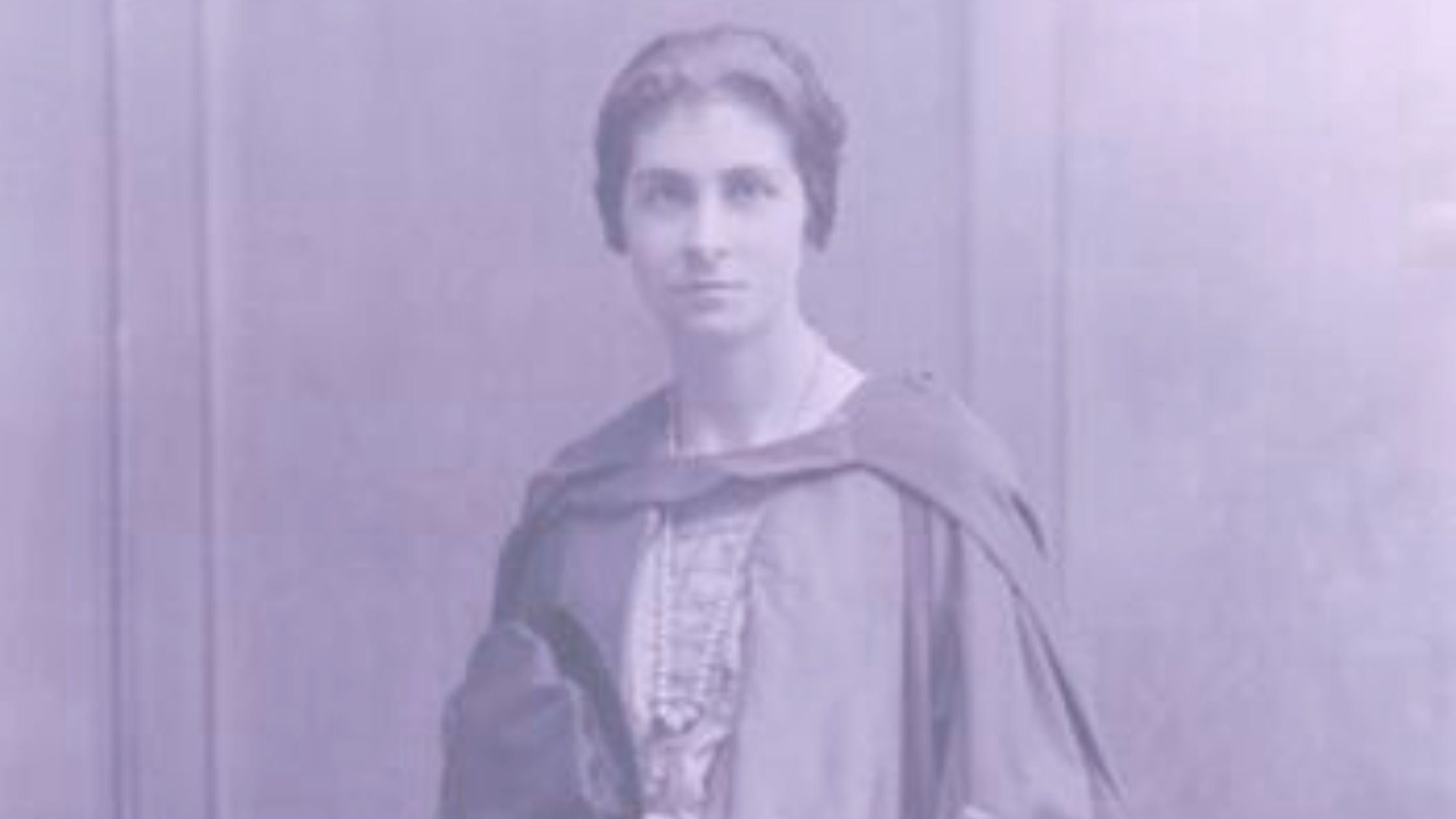
[Pictured: Dr Adam Hill from HELA]
Why Certification?
Mike: Jon, Adam - happy first anniversary to HELA! Looking back at the inception of the Healthy Ears, Limited Annoyance certification, what was the catalyst that made you both realise the live music industry needed this?
Adam: The original motivation behind the HELA Initiative was frustration among live sound engineers with inconsistent sound level limits worldwide, often with ambiguous measurement and monitoring details (such as sound level weighting, time averaging, and measurement location). This led to a wide-reaching survey of live sound engineers during the pandemic, reaching over 2,000 engineers in more than 80 countries, revealing that fundamental knowledge is inconsistent across the sector and that there is a strong desire for an education and research platform to address these shortcomings. Ultimately, the driving force is to support, through education and research, a more effective, efficient, and sustainable working environment for live event professionals, resulting in a consistently excellent experience for on-site audience members and members of the community off-site.
The Science of "Loudness" vs. "Pressure"
Mike: A major focus of your research is the "democracy of sound," ensuring everyone gets a great mix without risking hearing damage. How do you balance the modern demand for massive, immersive live sound with strict safety standards?
Jon: One of the key takeaways is the distinction between high sound pressure levels (SPL) and loudness. Loudness is subjective; my loudness is not the same as yours. SPL, however, can be measured, and high SPL is the greatest threat to hearing health. By combining high-quality, well-distributed sound systems, deployed in acoustically appropriate spaces, with an awareness that dynamics are crucial to making a show sound powerful, you can have shows that are perceived as ‘loud’ but at lower SPLs. What is important is to take a holistic view and consider all the factors that contribute to the audience experience.
Key Insight: A well-designed sound system can sound "powerful" without being physically damaging. It's about quality and distribution, not just turning up the volume.
HELA Success Stories
Since launching, what has the initiative achieved? How have different sectors of the live music industry responded?
Adam: It has been fascinating to observe how the HELA Initiative has been received worldwide. One of the best responses has been in Norway, thanks to our partnership with Kulturrom. This organisation supports live event venues across the country by helping them achieve high-quality sound reinforcement through appropriate sound systems, acoustic treatment, and education. As a result, we’ve had quite a few venues in Norway become HELA-Certified, with many more in the pipeline.
Over here in the UK, the initial uptake has been driven by venue managers, who see HELA Certification as a useful addition to their staff training programme. In several cases, we’ve built HELA Certification into their in-house training system to allow staff members (and the venue) to become HELA-Certified.
We’re also starting to see momentum building with our UK partner, the Night Time Industries Association’s Listen For Life Campaign, where the city of Nottingham recently became the first Listen For Life city. We’re looking forward to seeing all venues in Nottingham becoming HELA-Certified and for this approach to safe listening to spread further across the UK and, eventually, the world.
Further afield, several so-called “HELA Champions” have emerged, promoting the Initiative on a grassroots level. The earliest example of this is our Peruvian friends, Paul Cabello, the first person in the world to become HELA-Certified, and his colleague, Alexis Campos. They’ve been working hard to promote HELA in South America, where they’ve invited me to deliver a keynote at the upcoming AES Latin American Convention in Lima, Peru this August.
Overall, we’ve had an overwhelmingly positive response to HELA since launching last year. Sound engineers see it as a way to make their working lives easier, while venue owners see it as an easy way to raise the bar across the board, leading to happier audiences, neighbours and staff.
Key Insight: HELA has a widespread reach, with cities as diverse as Lima and Nottingham becoming HELA Champions.
Milestones, Biffy Clyro and Technology
The "Biffy Clyro" Effect
Mike: In January 2026, Biffy Clyro's Futique tour made history as the first international tour to achieve HELA Tour Certification. How significant is this?
Jon: I think it was significant as it started a conversation. We can now say that a powerful rock band can go on a sold-out arena tour, be staffed by certified crew who apply that knowledge in practice without feeling they are compromising either the artist or the audience. Most people will not have been aware. However, the pit crew setting up the barrier, who commented that it was the first time they had been warned of an impending soundcheck where they were working, demonstrates how necessary awareness is, and how it can be lacking. Thought went into the sound design, which did have a financial impact, but production considered it worthwhile, as they appreciated the benefit and importance of a well-considered sound plan. The positive conversations, primarily with arena health and safety officers, highlighted the real perceived need for training in this area. We just need everyone who said it was a great idea to sign up and complete the certification!
Mike: Part of the Biffy Clyro certification involved training not just audio engineers, but also security, lighting, and catering crews. Do you think there is finally a true sense of collective responsibility being taken across the live events industry?
Jon: Yes, and once it is explained that HELA takes a holistic approach to sound, it makes sense to a wider range of people. There were far too many 'I wish somebody had talked to me about this earlier in my career' conversations, from all departments!
Mike: At the other end of the sonic spectrum, how do you feel about bands that pride themselves on their noise output?
Adam: I've worked with many of these bands over the years. What's interesting is that some of these bands are actually the most responsible when it comes to hearing health. They know that their unique selling point is a so-called sonic onslaught at their shows. Because of this, many bands hand out hearing protection to audience members at the door and often post written warnings in advance. Similarly, their riders usually direct venue management to protect their staff. In many ways, these bands are already aligned with what HELA promotes. Maybe they're not staying within the WHO upper limit of 100 dB LAeq, 15min, but they're addressing this by providing appropriate hearing protection and raising public awareness.
The trick is to look at what sort of hearing protection is on offer. Disposable foam earplugs won't give you a good experience, as they'll make the music sound dull (not to mention that many people insert them incorrectly, resulting in little to no protection). What's needed is high-quality reusable hearing protection that attenuates the sound evenly across the spectrum by an appropriate amount, so as not to detract from the immersive live event experience. Ideally, these would be available for free at venues and events. Still, being realistic, there will almost certainly have to be a small charge for them, which could perhaps be covered within the ticket price in the future (we've got enough absurd ticket fees, why not include one that actually serves a purpose?)
Can Your iPhone Save Your Hearing?
Mike: Phones can now be used as decibel meters. Are these apps useful?
Jon: Now this has got me into some interesting online debates recently. I posted a comment sent during a show about the level. What troubled me was not the complaint; it was the lack of context. This is how I got involved in all this in the first place. A decibel is just a way of describing a relationship between two values. Without a reference, it is meaningless. Originally, it was used to describe voltage loss over telegraph wires; now we most often refer to decibels in terms of sound levels. However, there are many ways to represent sound level: dBSPL, dBA, dBC, or dBFS, to name a few. Without knowing what we are referencing, these metrics are meaningless or worse, misleading. There is a big difference in what the numbers are telling you! A show mixed at the WHO upper sound level limit is based on something called A weighting, often used for environmental noise measurement. This reading is then averaged over 15 minutes and expressed as 100dB LAeq, 15min. However, an app set to C or Z weighting will show a much higher number, possibly 115 dB(C) LCeq, 15min. Without understanding the differences in weighting, measurement times and measurement locations, you cannot make accurate judgments. HELA is about understanding what the numbers are telling you. There are some great tools out there, but you have to understand their limitations. A Class 1 sound level meter costs just over a grand for a reason. They are accurate, calibrated, and designed for a purpose.

[Pictured: Jon Burton from HELA]
2026 and Beyond
Mike: Looking ahead to the rest of 2026 and beyond, what is next for the HELA Research Cooperative?
Adam: The first step is to understand that all of these groups can absolutely get involved. As a young sound engineer in the early 2000s, with no education or engineering qualifications, I often had research ideas/questions with my colleagues, but never has any means to investigate them properly. The HELA Research Cooperative aims to address this by creating meaningful and sustainable links among academics, manufacturers, and live-event stakeholders. To me, the most exciting and worthwhile research projects are those driven by a real need from industry. You don't need a PhD to do research, and I've found that often the most impactful research projects are driven from outside of academia!
The Research Cooperative has an Outreach Group, which is open to anyone (sound engineers, musicians, promoters, local authorities, residents, audience members, and so on). The group is there to discuss current challenges and opportunities, and to help remove existing barriers to research by connecting it with appropriate individuals and organisations to work together to generate new knowledge, leading to a better live event industry.
For more information about HELA, visit https://helainitiative.com/