In-Ear Monitors vs. Headphones: What’s Best for DJs?
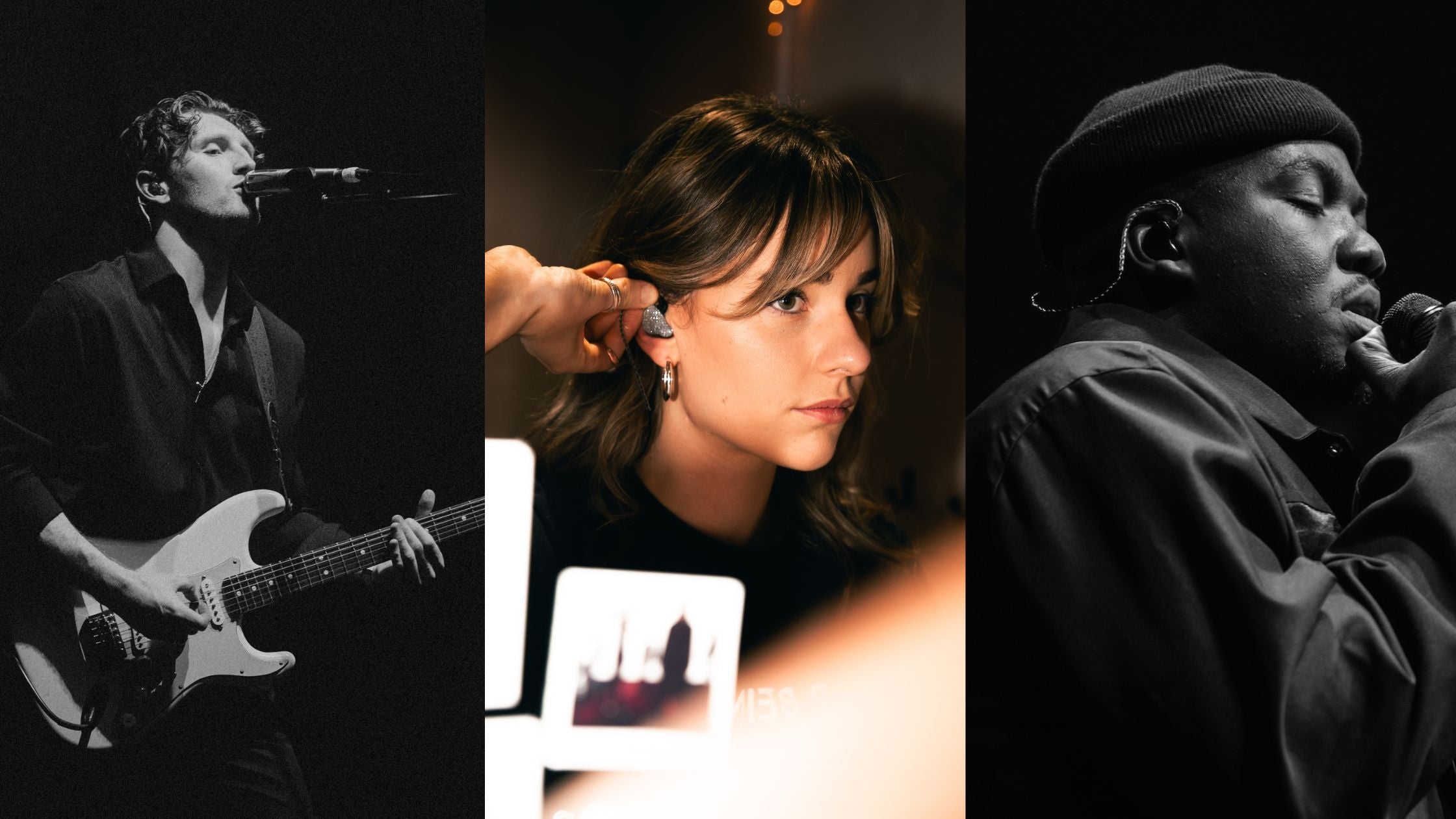
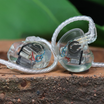
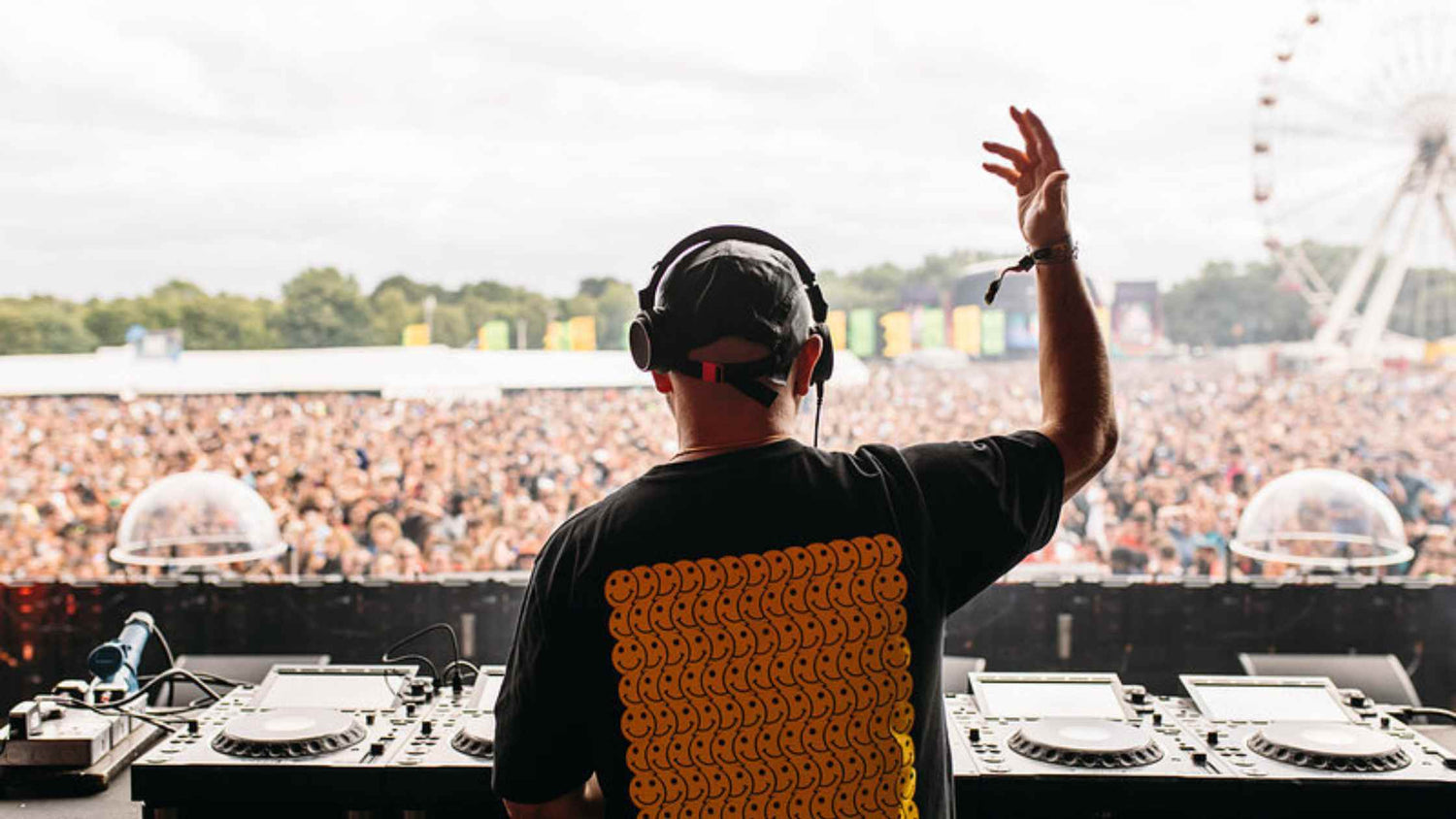
Take a look at any modern festival or main stage, from Glastonbury or Parklife (East End Dubs pictured, who uses our Custom Hearing Protection) to The O2 Arena, and you’ll see custom IEMs everywhere. Pop stars, rock bands and monitor engineers wouldn't dream of hitting the stage without them.
Yet, step inside a DJ booth, and it’s a very different picture. The majority of DJs still rely on traditional over-ear or on-ear headphones, aside from a few select high-profile DJs like James Hype and Laidback Luke. So why have musicians adopted the comfort and incredible sound of in-ear monitors, while DJs prefer classic headphones? Cosmic Ears investigates!
The Headphone Legacy
History plays an important part in why DJs continue to prefer over-ear or on-ear headphones, and it’s hard to argue with that legacy. Walk into any club, and you'll likely see a pair of Sennheiser HD25s clamped to the DJ's head. Much like Pioneer equipment, they are viewed as the industry standard. They’re punchy, lightweight, super resilient and have all replaceable parts, making them easy to maintain and look after.
And when DJs aren’t wearing headphones, we tend to think the worst. Think of the social media videos that go viral so often, showcasing a DJ and their dance moves over a pre-recorded set. The comment sections are often very quick to pick up on these pre-mixed moments; the flip side to these videos is that a DJ with headphones is seen as a more serious, music-first DJ.
Because Custom IEMs look incredibly discreet - sometimes practically invisible from the dancefloor - many DJs want to overtly show that they are wearing headphones and actively working a live mix. A bulky pair of cans acts as a visual cue to the audience that the DJ is genuinely mixing live behind the decks.
Reading the Room and the "Sound Bubble"
DJing is fundamentally about reading the crowd - you need to play the right tune at the right time. To do that, you need to listen to what they're hearing and respond to the energy in the room. Because Custom IEMs offer incredible isolation, some DJs worry about being trapped in their own little sound bubble. They want to hear the Front-of-House sound and feel the immediate roar of the crowd.
And for better or worse, for most DJs playing in clubs and bars, that will also mean fielding requests. Wearing traditional DJ headphones means you can quickly switch to the classic "one ear on, one ear off" technique, so you can listen to/ ignore their request and hear exactly what the crowd is hearing. This technique also makes it easier to cue up your next track while listening to the room monitors. In-ear monitors are designed to be worn the whole time, so this constant on-and-off really isn’t worthwhile and won’t protect your ears from the loud surrounding volumes.
There is also a physical sensation to bear in mind. DJ headphones provide a distinct bass rumble against the ear, which can be incredibly helpful for beatmatching and getting physically involved in the groove of a set. Custom IEMs, by design, are far more refined and precise; they deliver crystal-clear audio, but they won't provide that physical vibration on your outer ear. So you can’t track the tempo of the track by the bass rumbles, hi-hat, or snare, which can then help you mix.
Finally, there’s the practical element of club culture. If you forget your headphones or one pair dies on you, you can easily borrow a pair from the DJ playing before you. You definitely can’t share a pair of Custom IEMs.
Big Name Support
Despite these issues, some heavyweights have successfully adopted IEMs into their shows. Artists like Laidback Luke and deadmau5 have championed in-ear monitors, while, more recently, technical powerhouse James Hype has switched to them. With these examples, those DJs are likely playing programmed festival or regular club sets, so they know the track sequencing and are often on a large stage with little spoken interaction. Their sets, especially with James Hype, are about maximising the available FX, with a focus on technicality, allowing DJs to focus fully on the music. That means they can embrace their bubble, making IEMs the perfect choice. Interestingly, it’s been reported that James Hype has set his up in a mono-split, with the right ear playing the master output and the left ear is for cueing and mixing the next track.
The Harsh Reality of Hearing Health
Whatever you use to DJ with, there is one unavoidable truth: you need to look after your hearing.
The DJ booth is a notoriously dangerous environment for ear health. Consistently exposing yourself to club sound systems pushing well over 100dB, night after night, is a one-way ticket to permanent damage - just ask any DJs from the 90s now how their hearing is for proof (although you’ll likely have to shout to make yourself heard).
The statistics surrounding hearing loss and tinnitus in the music industry are staggering, with one in three musicians reporting tinnitus symptoms. Sadly, we see a growing number of older, legacy DJs suffering the devastating consequences of unprotected exposure. Tinnitus simply doesn't care about your underground credibility or what headphones you wear.

(Groove Armada trust our C6A custom model)
The Options: What Cosmics Can Do For You
So, what are your options? You can either suffer the consequences down the line or take control of your audio right now. At Cosmic Ears, we believe there are two main paths for DJs:
1. Make the Switch to Custom IEMs
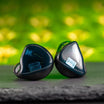
If you want unparalleled sound isolation, pristine audio clarity, and ultimate protection, then Custom IEMs are the definitive choice. Whether you opt for the C6A or our flagship C8A models, Cosmics will let you monitor your mix at vastly reduced, safe volumes while keeping harmful club frequencies out. As DJs like James Hype have proven, you can mix flawlessly with in-ears once you get used to the sound and feel.
2. The Hybrid Approach
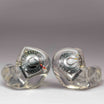
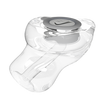
Alternatively, if you’re a DJ who needs the physical feel and versatility of headphones, you still need to protect your hearing. The ideal solution is to wear our Custom Hearing Protection underneath your headphones. Equipped with an interchangeable HP Filter, these custom plugs will flat-attenuate the damaging decibels at the club while still allowing you to monitor your mix comfortably through your traditional headphones.

(Cosmic Ears Custom Hearing Protection)
DJs and IEMs FAQs
How much club noise do Cosmic Ears actually block out?
Our Custom Hearing Protection (CHP) has a range of filters, and can block out 20dB, 15dB or 10dB to suit your needs. Our sets are made from medical-grade hypoallergenic acrylic, making them exceptionally durable and easy to use. They can be used with your headphones, helping protect you from loud monitor booths and powerful club setups. A great fitting set of Custom IEMs should offer around -26dB of isolation.
How can I get a pair of IEMs or CHP before my next club gig?
We make it simple:
Configure: Choose your model (like the tour-favourite C6A or flagship C8A) and customise your look in our online Design Lab. For CHP, simply choose the filter option and what text you’d like on your carry case.
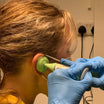
Impressions: Book an appointment with us or a local audiologist to have physical ear impressions taken.
Build: We 3D-scan your impressions (or accept digital STL fileS) and hand-assemble your custom monitors or custom hearing protection in our UK lab.
From your initial appointment with your audiologist to your first live gig, the turnaround time for IEMs is typically 4 to 6 weeks, and for CHP, 2 to 4 weeks.
Whether you're looking to revolutionise your setup with Custom IEMs or simply safeguard your ears under your Sennheisers with our CHP, your hearing deserves better than ringing the morning after. Protect your ears, preserve your career, and keep the music playing.
Protect your hearing and book an appointment with one of our nationwide audiologists.
Related Articles
- Custom In-Ear Monitors vs Universal Fit: What’s Best for Live Gigs?
- Best In-Ear Monitors for Touring Musicians in 2026
- Behind the Impressions: A Q&A with Cosmic Ears Audiologists