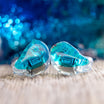
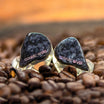
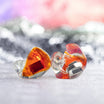
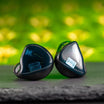
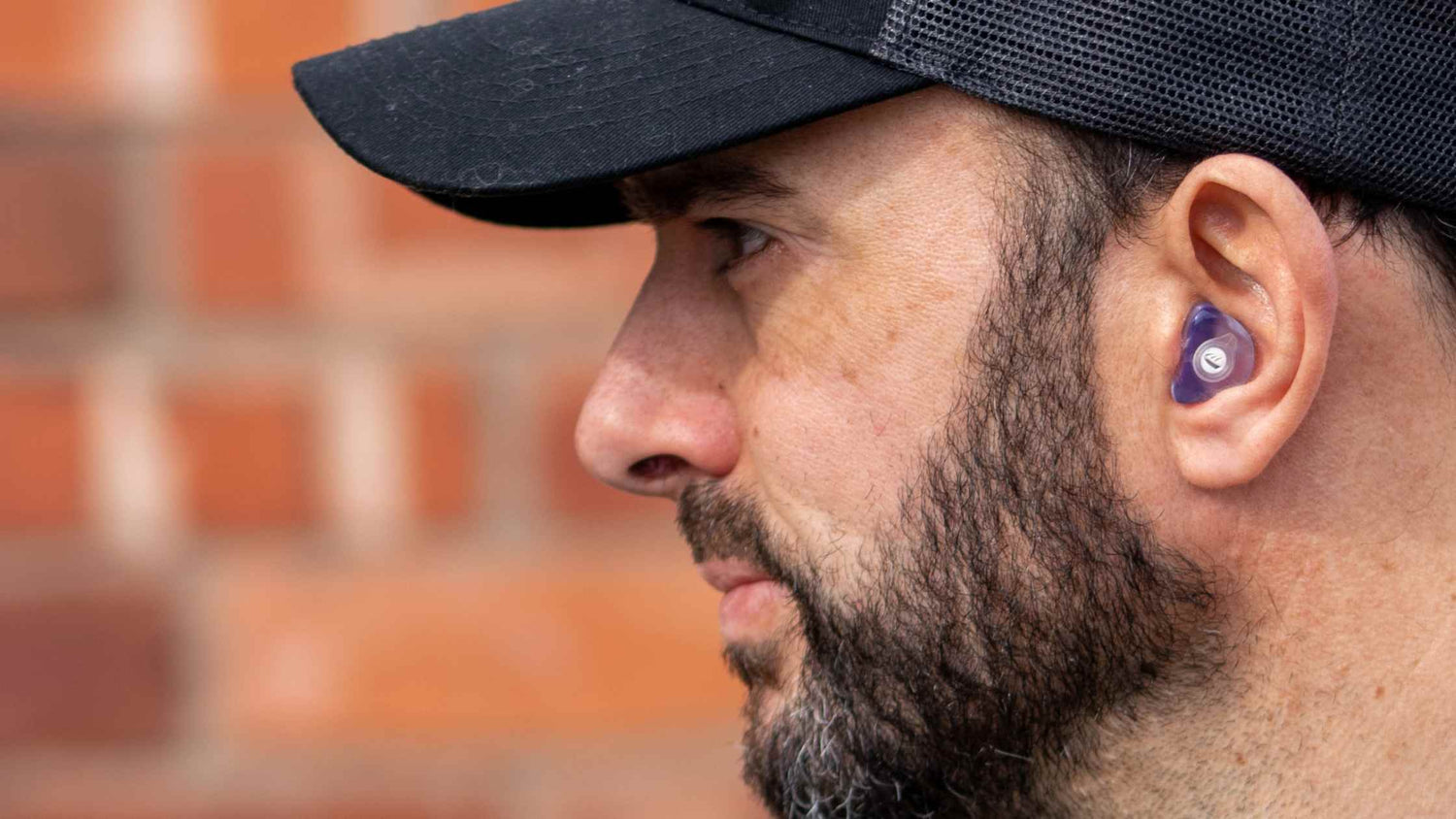
In Brief: Summer festival season brings a rush of energy, huge crowds and incredible live sound – but it can also push your ears to punishing volume levels. For artists, DJs and stage crew, protecting your ears on stage is essential if you want a long, healthy career in music. From the acoustic advantages of custom-moulded isolation to using flat-attenuation filters, taking control of your stage safety means you hear every single part of your performance without risking permanent damage. Read on to discover how musicians and crew can master hearing protection this summer.
Reading time: 6 mins
The Festival Season Reality – Why Your Ears Are At Risk
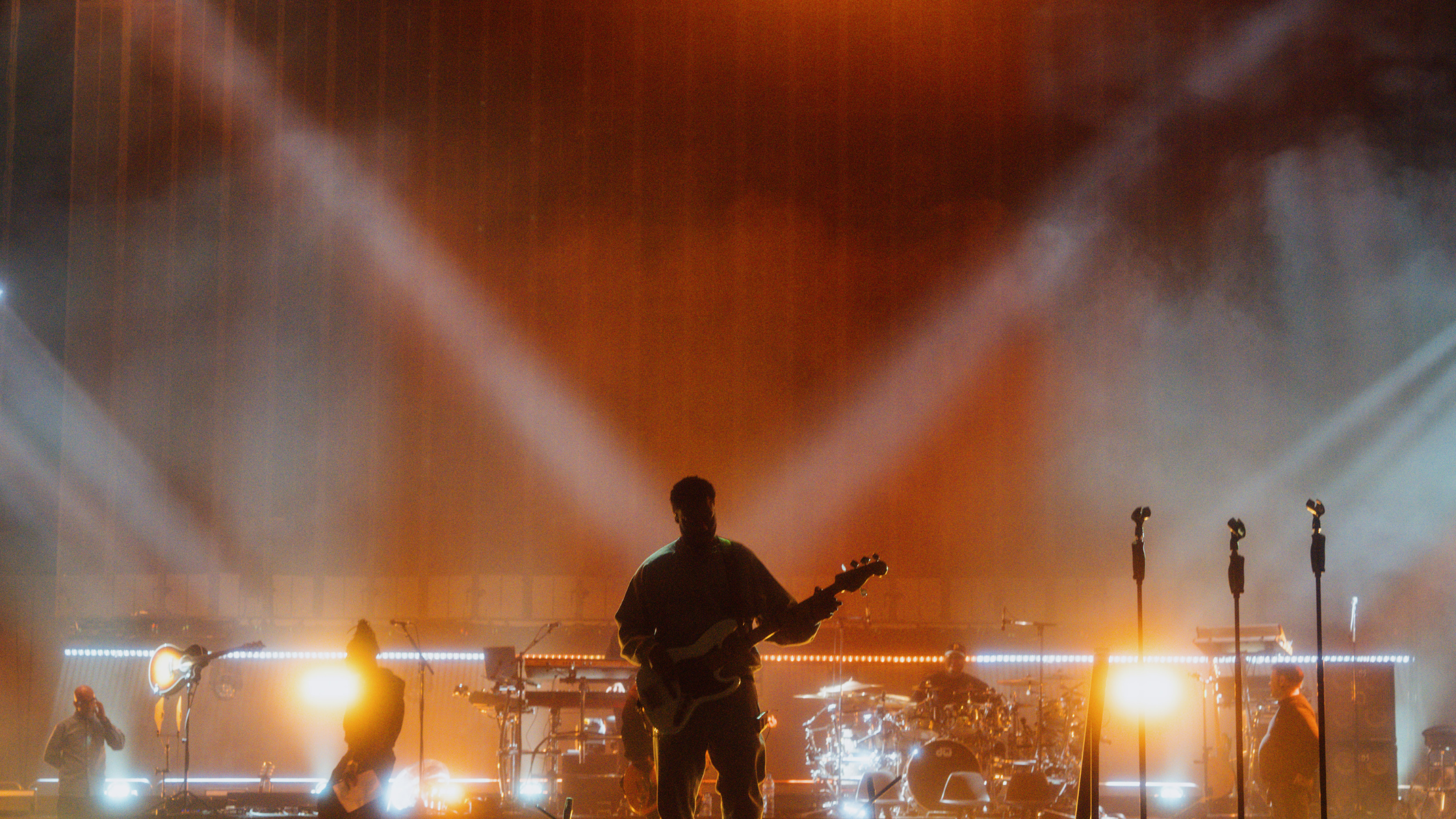
There’s nothing like the rush of stepping onto a festival stage in the middle of summer. The roar of thousands of festival-goers, the sub-bass shaking the risers and the wall of sound bouncing off open-air staging create an adrenaline rush that will last long in the memory. But behind that summer festival magic lies a potentially dangerous truth: summer festivals can push your hearing senses to their absolute limits.
When you’re performing outdoors or inside packed tent stages, sound behaves very differently than it does in a controlled indoor venue. Front-of-House engineers push heavy PA line arrays to cover vast open fields, while side-fill monitors, guitar cabs, and acoustic drum kits build up an immense wall of ambient noise. Peak sound levels on stage can easily climb well past 105 dB – and often breach 115 dB during high-energy main-stage slots.
For musicians, touring crew, and sound engineers, extended exposure to those decibel levels without adequate hearing protection is a recipe for acoustic trauma, temporary threshold shifts, and permanent tinnitus. That high-pitched ringing you hear in your tent or tour bus at 2:00 AM isn't just a mild inconvenience after a great show – it is your inner ear's delicate hair cells signalling that they have taken serious damage.
Maintaining loud stage safety isn't about dampening the excitement or taking the fun out of your performance. It is about equipping yourself with the right tools so you can perform with total confidence night after night, season after season, without sacrificing your most valuable asset: your hearing.
Stage Wedges vs Custom IEMs
If you are still relying on traditional floor wedges during festival runs, you’re fighting an uphill sound battle. Open-air stages carry huge ambient noise floors. Wind whips across microphones, subwoofers rumble through the temporary stage, and adjacent arenas and tents bleed into your performance space.
To hear your vocals, guitar or click track over that background roar, it’s only natural that you ask the monitor engineer to turn your wedge up. That sets off a chain reaction where your bandmate then asks for their wedge to be turned up to hear over yours. Before you know it, you’re in a dangerous volume arms race that leaves the stage too loud and sonically muddy.
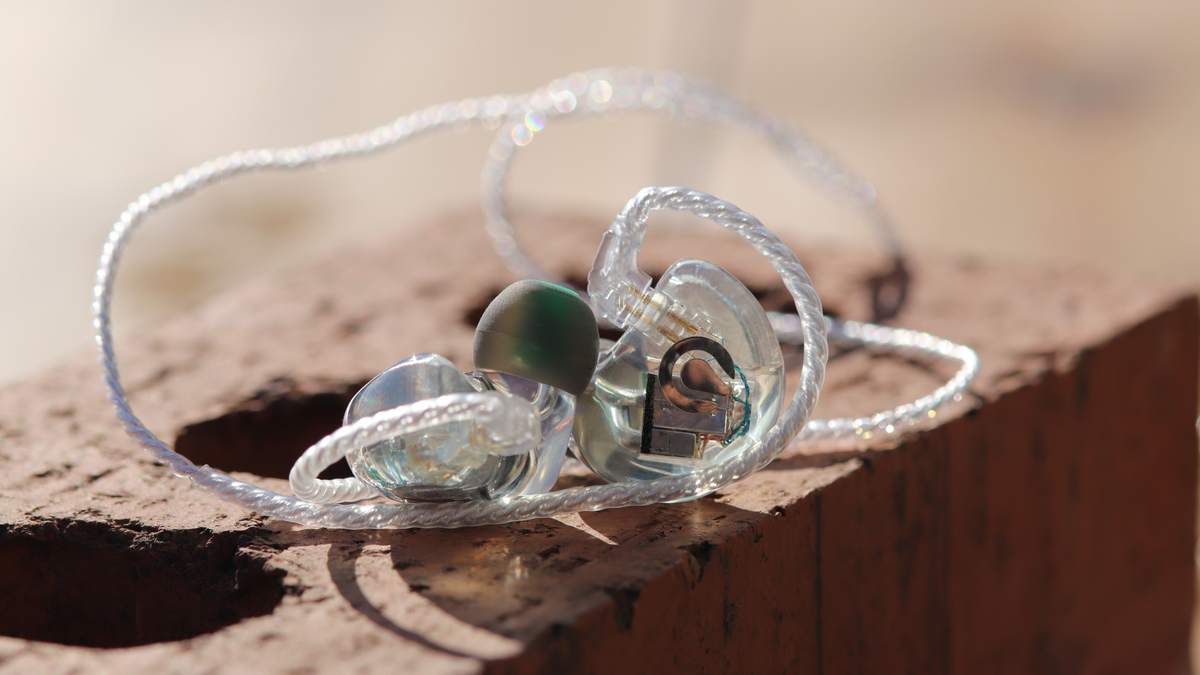
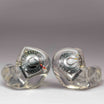
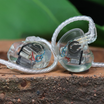
In our guide on Do In-Ear Monitors Improve Live Sound Quality?, we explored how making the move from floor wedges to dedicated in-ear monitoring changes everything. Custom-moulded in-ear monitors form a precise, airtight physical seal in your ear canal. That physical barrier delivers up to -26 dB of passive noise isolation.
By slashing the ambient stage noise by 26 dB, you effectively lower your personal noise floor. Instead of cranking your wireless pack to maximum volume just to hear your pitch and timing, you can listen to an ultra-clean and detailed mix at hugely reduced, safe listening levels. You get cleaner sound, tighter timing, and can trust that your ears aren’t being pushed to the edge and beyond.

The Benefits Of Flat Attenuation
Not everyone standing on a festival stage needs a complex multi-driver IEM mix feeding them vocals and click tracks. Guitar techs, stage managers and monitor engineers often need to hear the natural ambient environment around them, but at a controlled, safe volume.
This is where dedicated Custom Hearing Protection becomes an essential piece of kit. Generic, off-the-shelf foam earplugs might block out sound, but they do so unequally. They muffle high frequencies while letting low-end mud rumble through, making music sound dull, hollow, and distant.
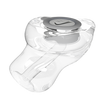
Our custom earplugs use advanced flat-attenuation acoustic filters. These filters drop the overall volume evenly across the entire frequency spectrum – like turning down a master volume knob on the world around you. Bliss, when you’re standing stage side for hours at a time mid-festival!
As we broke down in our comparison post In-Ear Monitors vs Headphones: What's Best for DJs?, DJs and live performers who prefer wearing traditional over-ear headphones can slip a pair of custom earplugs underneath their headset. This dual-layer mix and match provides hearing safety against blasting booth monitors while allowing you to cue and mix tracks with absolute clarity.
Why Custom Fit Matters in Summer
Summer touring brings serious heat, especially in recent years. Whether you’re playing under a baking afternoon sun or crammed into a boiling festival tent at 4:00 PM, there’s one inevitability - sweat, and lots of it! Sweat gets absolutely everywhere, making it the nemesis of generic, off-the-shelf foam or silicone ear tips.
When generic tips get slick with sweat, they lose their grip and start sliding out of your ear canal. The moment that seal breaks, two things happen:
- You lose your low-end bass response.
- You can hear a lot more ambient stage noise, creating a muddy and muffled sound.
As we mentioned earlier, the natural reaction from most musicians is to reach over to their wireless pack and turn the master volume knob way up. This is extremely dangerous for your hearing health as you end up blasting high frequencies straight into your ear canal to overcome the lost seal.
In our feature on Why Summer Heat and Touring Make Custom IEMs Essential, we highlighted how medical-grade acrylic custom shells deal with the sweaty issue. Because custom monitors are crafted from exact 3D digital scans of your unique ear anatomy, they fit lock-and-key into your concha bowl and ear canal. Sweat cannot break the seal because the shell relies on precise anatomical contouring rather than friction. You get rock-solid stability and consistent hearing protection, no matter how energetic and sweaty your performance gets.
Maximum Protection and Performance
Proper hearing protection is not a one-size-fits-all equation. Different instruments and roles on stage need different frequency responses and driver configurations to deliver their favoured audio without pushing distortion or excessive volume.
If you are a drummer or bassist, AKA the foundation of the rhythm section, you need low-end headroom so you can feel the kick drum and bass line without overpowering your ears. Our flagship C8A is built specifically for high-energy stage environments, using eight balanced armature drivers to deliver deep, punchy low end alongside razor-sharp separation.
For lead singers, guitarists, and keyboard players, models like the versatile C6A or the vocal-centric C4A offer exceptional clarity across the midrange and highs. When your mix is clean and well-separated, you don't need to push overall decibel levels high to pick out your instrument.
Before heading out on your summer dates, check out our guide on How to Prepare Your Stage Setup for Summer Touring to ensure your cables, wireless packs and backup accessories are all as they should be. And if you want your gear to look as good as it sounds, or even fit in with your current branding or album colours, you can fully customise your shells and faceplates using our online Design Lab.
To explore the entire line-up and find the perfect match for your live setup, take a look at our round-up of the Best In-Ear Monitors for Touring Musicians in 2026.

Five Essential Rules for Festival Sound Safety
Beyond investing in quality custom gear, practising good habits on stage and around the festival site will keep your hearing sharp for years to come:
-
Avoid the "One Ear Out" Trap: If you feel disconnected from the crowd, don't pull one earbud out while leaving the other in. Your brain naturally compensates for the missing acoustic input by making you turn up the remaining earpiece – exposing that single ear to double the sound pressure level. Instead, ask your monitor engineer to blend in ambient stage mics into your stereo mix.
-
Wear Protection Off-Stage Too: The stage isn't the only loud area at a festival. Backstage, side-stage viewing platforms, and front-of-house mixing desks often reach harmful decibel levels. Keep your custom earplugs in your carry case and pop them in whenever you are moving around the site.
-
Keep Your Gear Clean and Dry: Summer dust, earwax and sweat can block the acoustic sound bores of your IEMs or hearing protection filters, muffling the sound and meaning you need to turn the volume up. Clean your earpieces daily or as often as you can, using your wax loop tool and store them with fresh silica gel pouches in a solid case to keep them dry and fresh.
-
Use Limiting on Your Wireless Packs: Always enable the built-in brickwall limiter on your wireless bodypack receiver. If a microphone drops on stage or a cable gets unplugged live, the limiter prevents sudden volume spikes from hitting your ears at dangerous levels.
- Give Your Ears Recovery Time: Auditory fatigue is cumulative. After a loud set or a long festival shift, give your ears quiet time to recover. Resist the urge to pop in consumer earbuds at full volume on the tour bus ride to the next city.
FAQ Section
How much passive isolation do custom in-ear monitors provide?
Custom-moulded IEMs made from solid medical-grade acrylic typically provide up to -26 dB of passive noise isolation. By blocking out external stage noise and acoustic bleed, they allow you to listen to your monitor mix at much safer volume levels.
Can I still hear the crowd and stage atmosphere with custom IEMs in?
Yes. While custom IEMs block out harsh ambient noise, many artists ask their monitor engineer to set up ambient boundary microphones on stage. These mics are blended subtly into your stereo monitor mix, so you retain full crowd interaction without pulling an earpiece out.
What is the difference between custom IEMs and Custom Hearing Protection (CHP)?
Custom IEMs contain miniature balanced armature speakers designed to play audio from a sound board or wireless pack. Custom Hearing Protection (CHP) earpieces do not contain speakers; instead, they feature interchangeable acoustic filters that passively attenuate environmental noise evenly without altering sound quality.
Which filter level should I choose for Custom Hearing Protection at festivals?
We offer filters with various attenuation levels (such as 10 dB, 15 dB, or 20 dB). For general festival crew, side-stage viewing, or DJs working under loud monitors, 15 dB or 20 dB filters offer an ideal balance of strong protection and clear audio.
How long do custom ear impressions take, and how far in advance should I order for festival season?
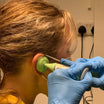
Ear impressions with an audiologist take around 20 to 30 minutes. Build time for Custom Hearing Protection is typically 2 to 4 weeks, while Custom IEMs take around 4 to 6 weeks. We always recommend booking your impressions well ahead of your summer tour run.
Design Your Perfect Stage Sound
Ready to take your sound to the next level and protect your hearing? Check out our comprehensive How to Buy Custom In-Ear Monitors guide to kickstart your journey to professional audio while protecting your hearing.
Further Reading